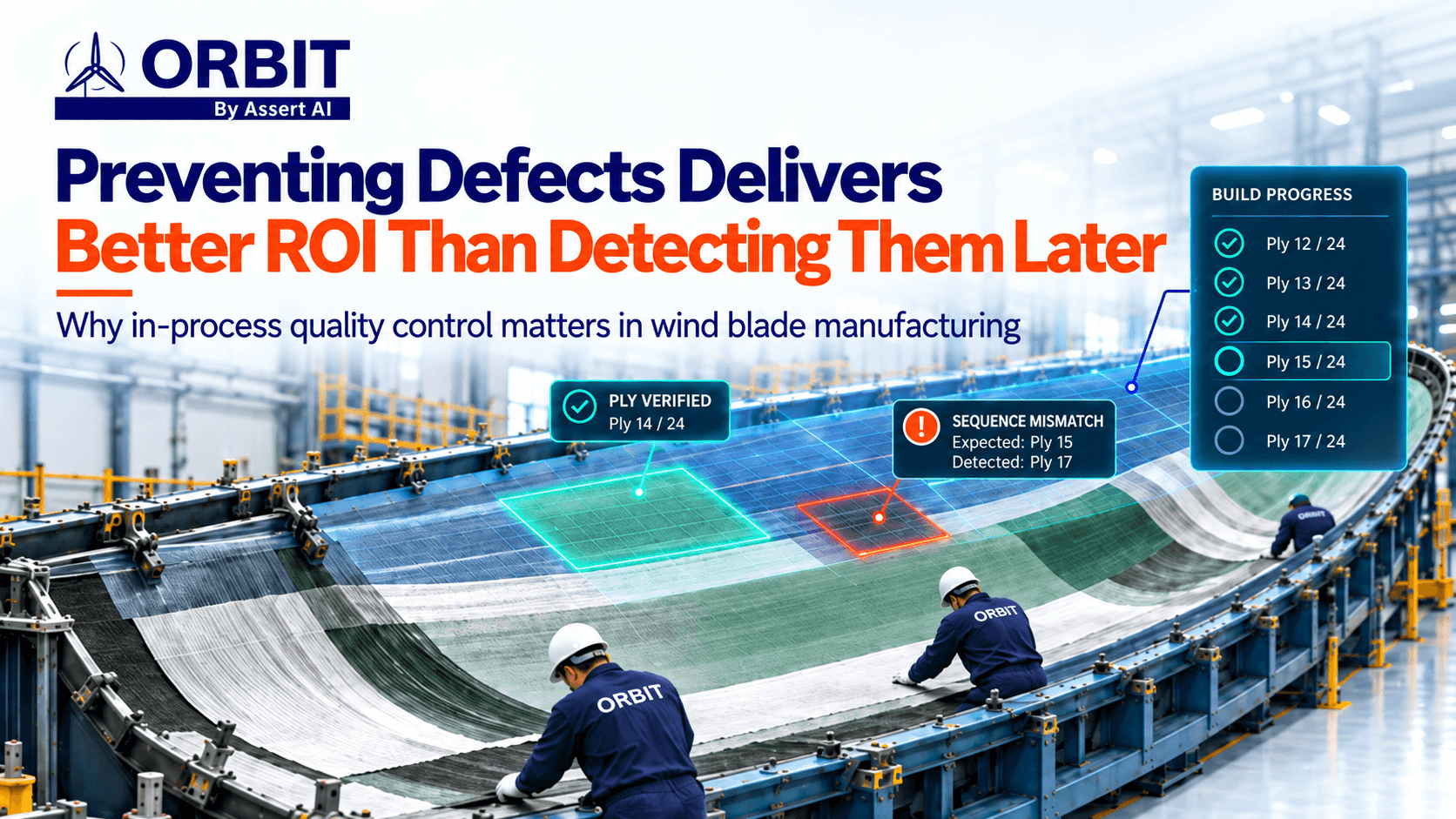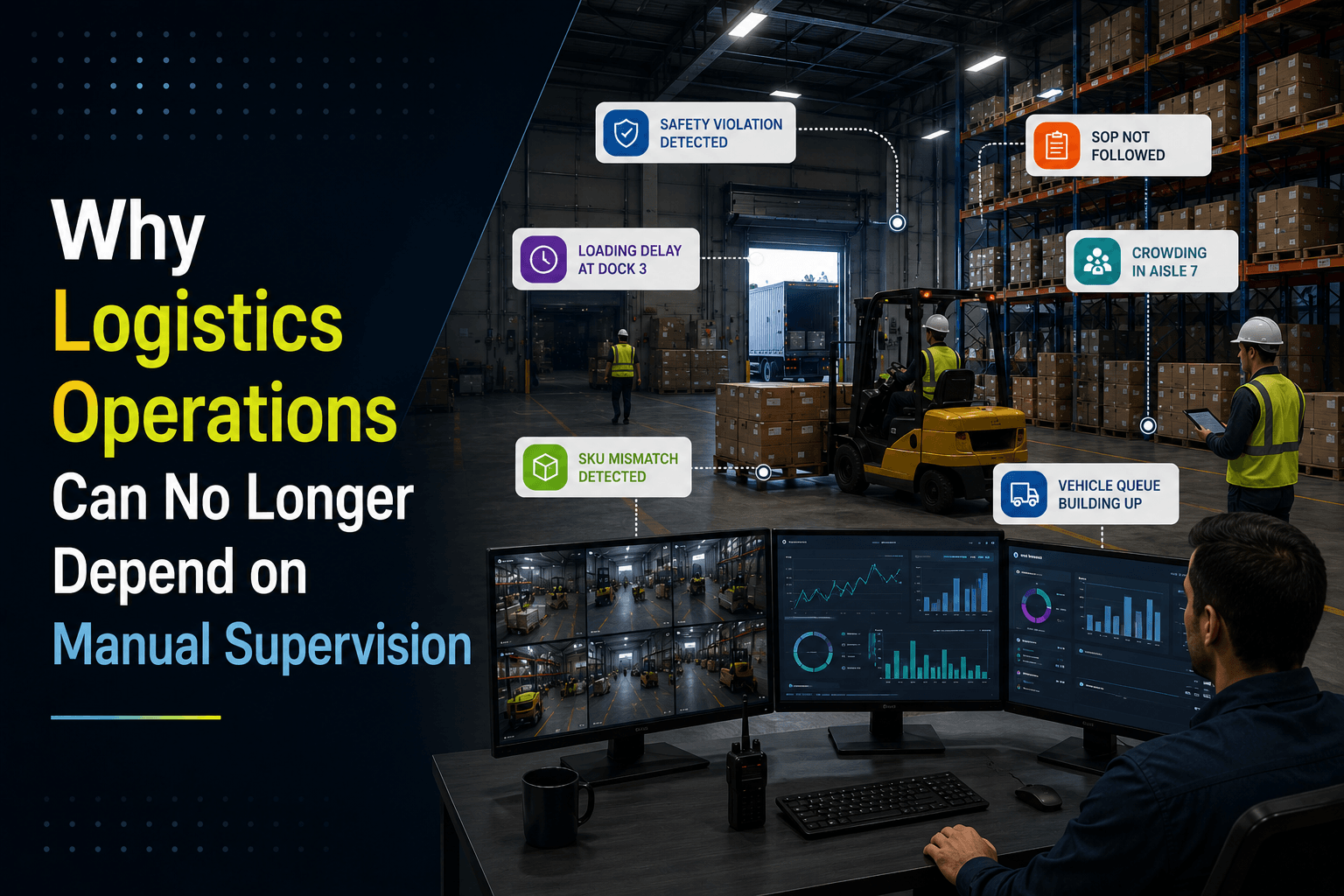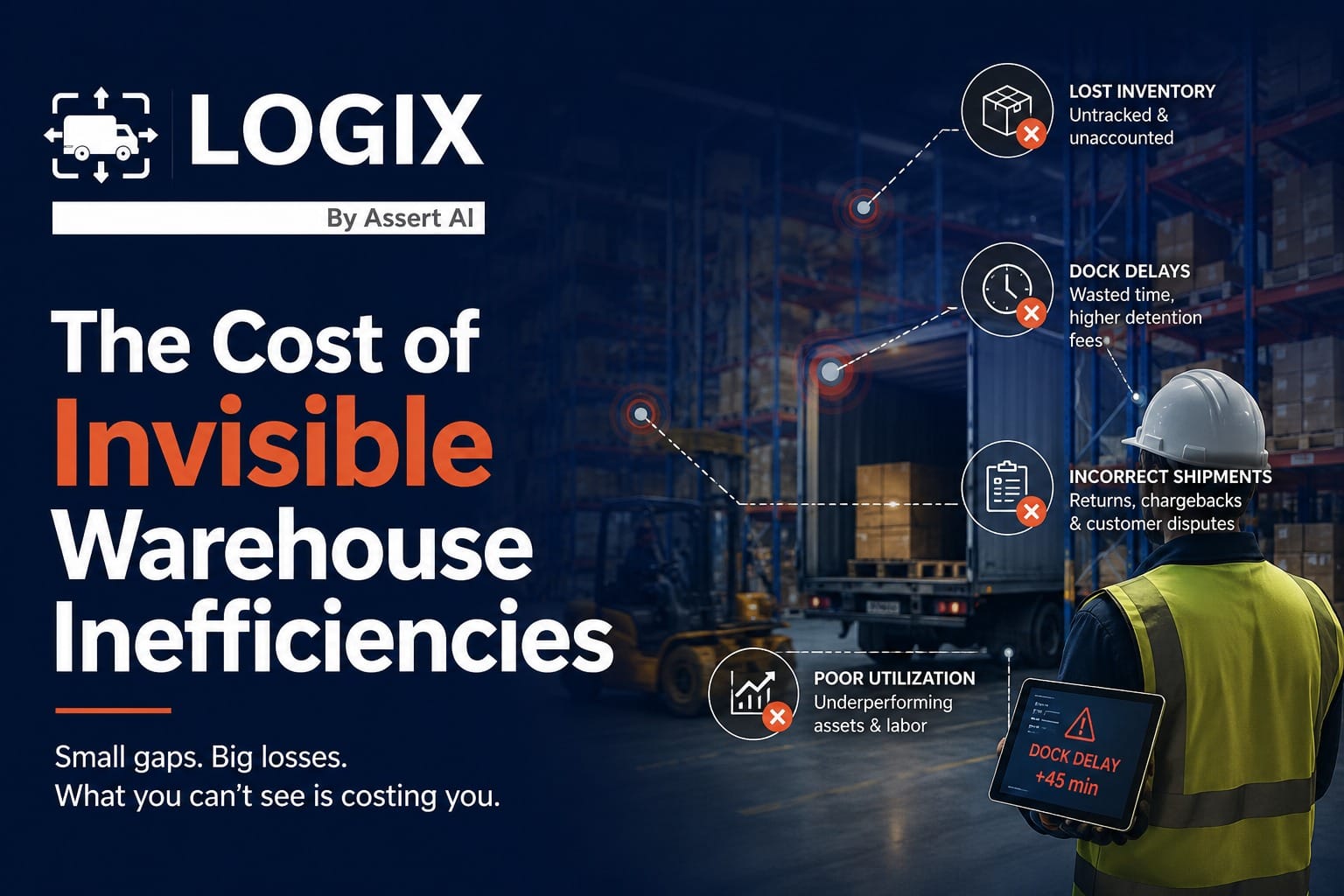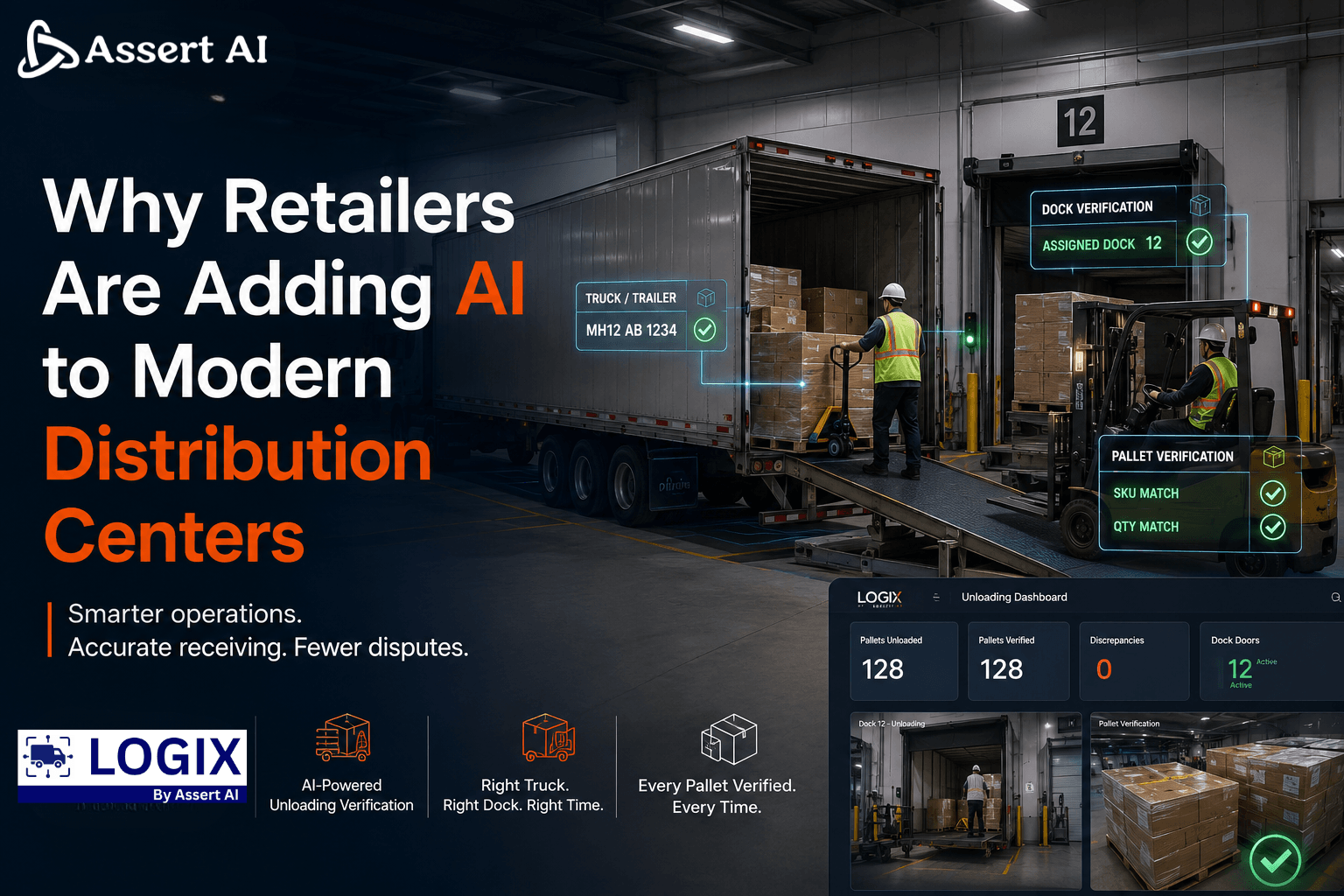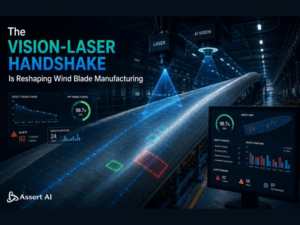
The global wind energy manufacturing sector is witnessing a major technological shift as AI-powered blade inspection manufacturing moves from experimental deployment to full-scale production integration. Industry experts are calling it the “Vision-Laser Handshake” a breakthrough fusion of AI vision, laser-guided precision systems, and automated defect detection that is rapidly transforming how wind turbine blades are built, inspected, and validated.
The shift comes at a critical time for the renewable energy sector, where next-generation turbine blades now exceed 100 meters in length and can cost anywhere between $200,000 to over $500,000 per blade depending on size and configuration. In large-scale offshore projects, a single undetected manufacturing defect can lead to millions in downstream operational losses, production delays, warranty claims, and maintenance costs.
This is why First Pass Yield (FPY) is rapidly becoming one of the most important metrics in wind blade manufacturing. Manufacturers are now under pressure to ensure blades are produced right the very first time, with minimal rework, scrap, or quality leakage.
From bonding gaps and surface irregularities to alignment deviations and composite inconsistencies, automated defect detection is becoming faster, more accurate, and significantly more scalable for next-generation wind blade factories.
At the center of this transformation is Assert AI’s product ORBIT, which is helping manufacturers move toward intelligent, AI-driven production environments. Orbit continuously monitors critical manufacturing stages in real time, helping reduce manual dependency, improve FPY, and minimize recurring defects before they scale into costly failures.
According to Job Philip (CEO Assert AI), the future of wind blade manufacturing lies in predictive and preventive quality systems rather than reactive inspection models.
“The industry is moving from post-production inspection to real-time manufacturing intelligence,” said Job Philip. “AI systems today can identify defects as they emerge, enabling manufacturers to take corrective action instantly and reduce costly downstream failures.”
Technology providers entering the space are now focusing heavily on scalable AI architectures capable of learning from millions of defect patterns while adapting to changing blade designs and material compositions.
Market observers believe the rise of automated defect detection systems could also significantly reduce manufacturing waste, a critical concern as sustainability becomes central to renewable infrastructure supply chains.
With governments worldwide increasing renewable energy targets and turbine manufacturers scaling capacity aggressively, the demand for intelligent quality assurance solutions is expected to surge sharply over the next few years.
The Vision-Laser Handshake is no longer being viewed as a futuristic concept. Across the wind manufacturing ecosystem, it is rapidly becoming the new benchmark for precision, speed, and reliability signaling a decisive shift toward AI-first industrial production.
Summary
The wind energy sector is rapidly adopting AI vision and laser-guided inspection systems to improve wind blade manufacturing quality and First Pass Yield (FPY). With each blade costing hundreds of thousands of dollars, manufacturers are prioritizing real-time defect prevention over traditional reactive inspection. Assert AI is helping drive this transformation through intelligent AI-powered manufacturing systems.
About Assert AI
Assert AI is a computer vision company building AI-powered solutions for manufacturing, logistics, and industrial operations. Its vision AI platform helps enterprises improve quality, safety, efficiency, and operational intelligence in real time.