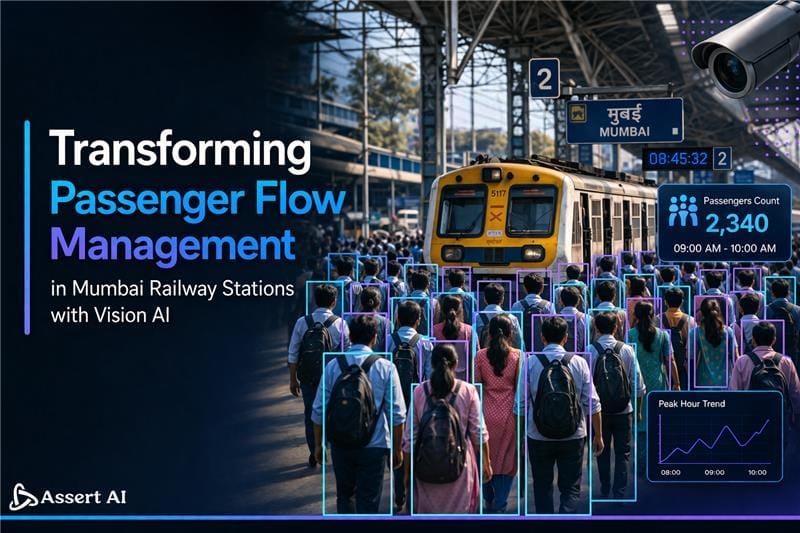
Mumbai’s railway network is one of the busiest urban transit systems in the world, managing millions of passengers every day across multiple stations. Ensuring smooth movement, safety, and operational efficiency at this scale is a constant challenge.
With increasing footfall and limited real-time visibility into passenger movement, railway authorities needed a smarter, data-driven approach to understand crowd dynamics and optimize station operations.
How Assert AI Helped
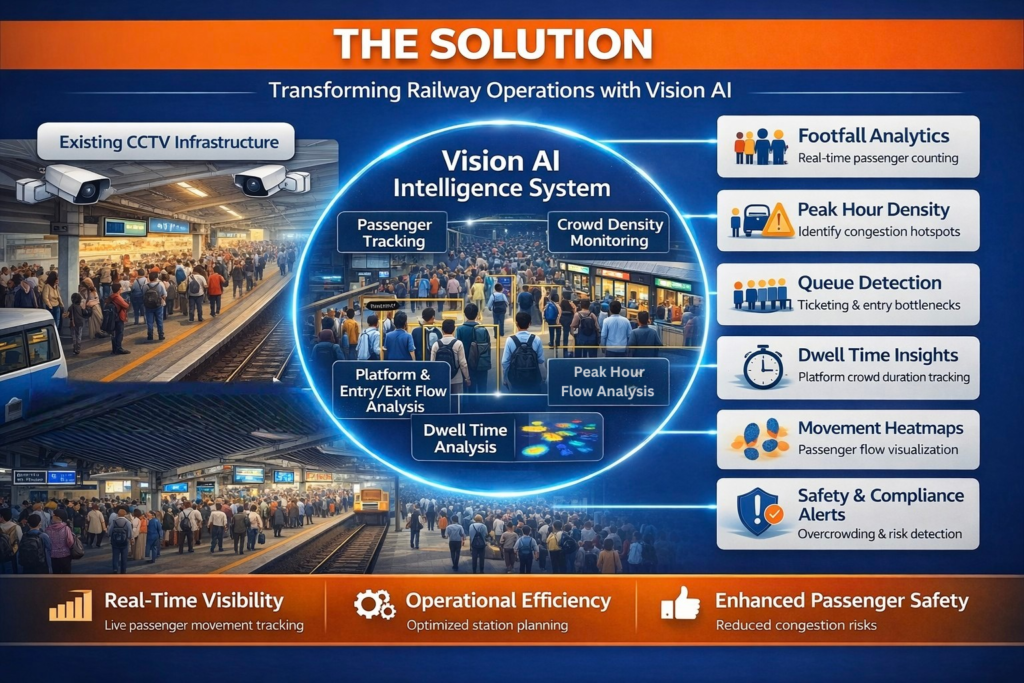
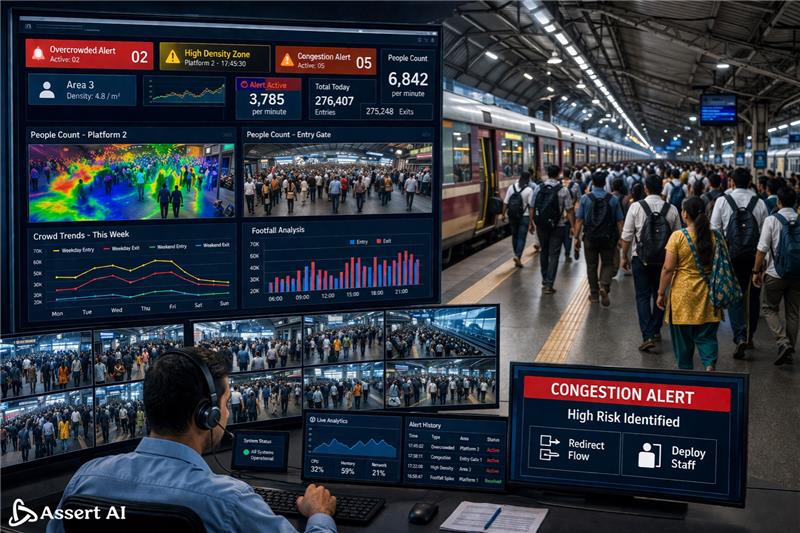
Assert AI deployed a computer vision-powered video analytics solution using existing CCTV infrastructure to convert live video feeds into actionable insights.
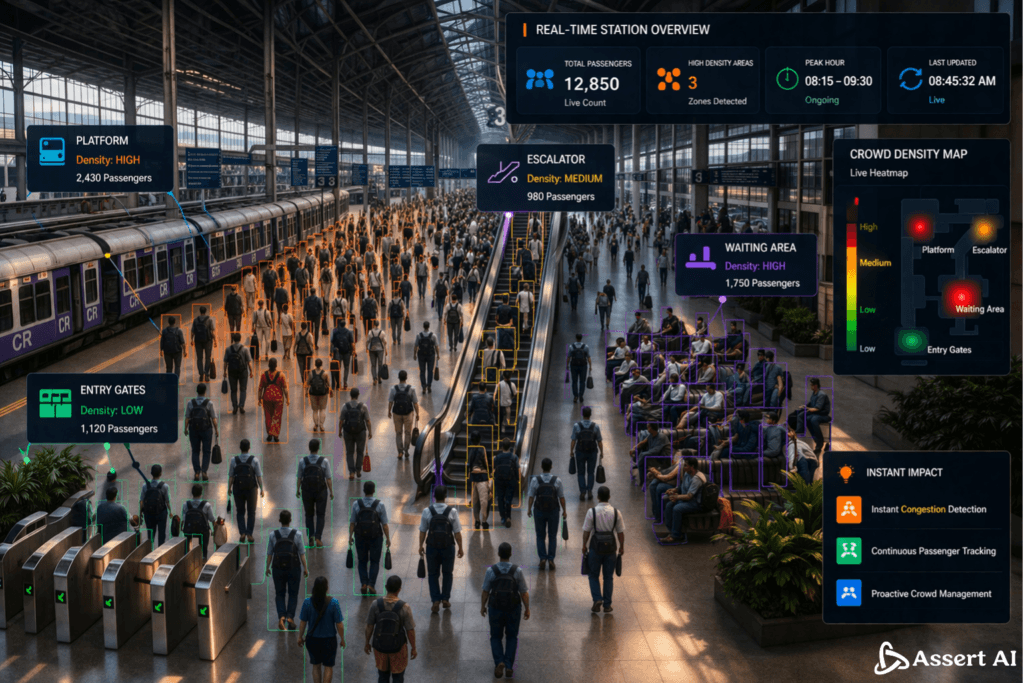
By enabling real-time monitoring and analysis of passenger movement across key touchpoints, the solution provided railway authorities with continuous visibility into crowd density, flow patterns, and peak-hour trends empowering faster, more informed decision-making.
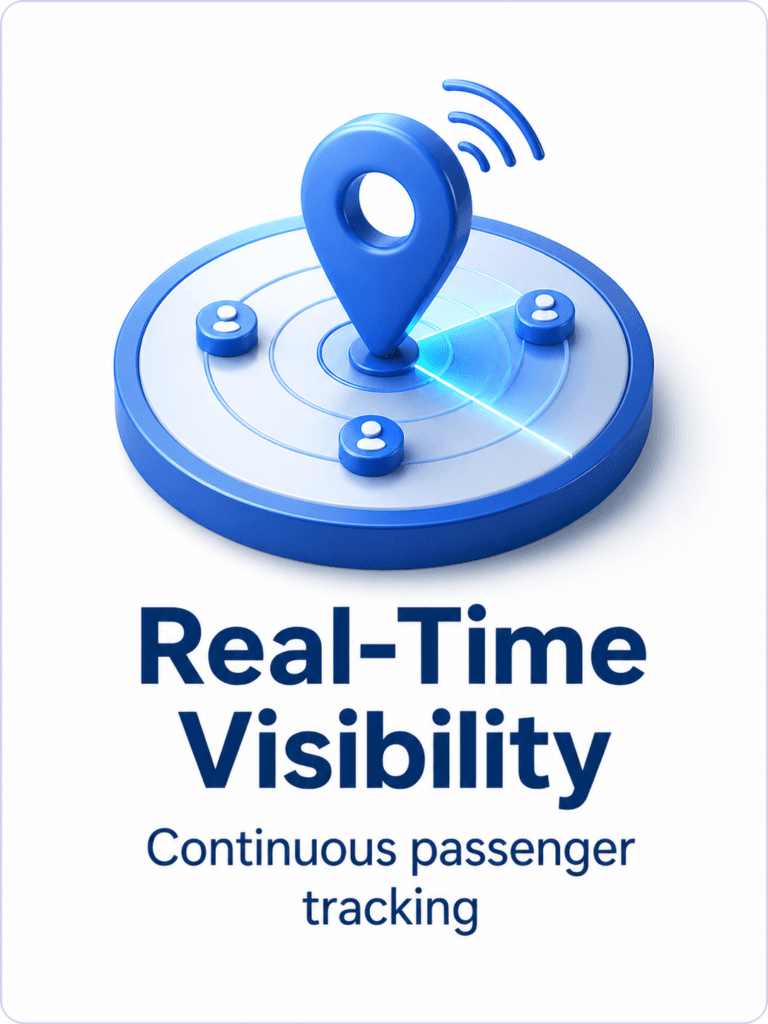
Gaining Real-Time Visibility into Passenger Movement
One of the biggest challenges was the lack of accurate, real-time data on how passengers moved across stations. Traditional manual methods were not only inefficient but also failed to capture dynamic crowd behavior.
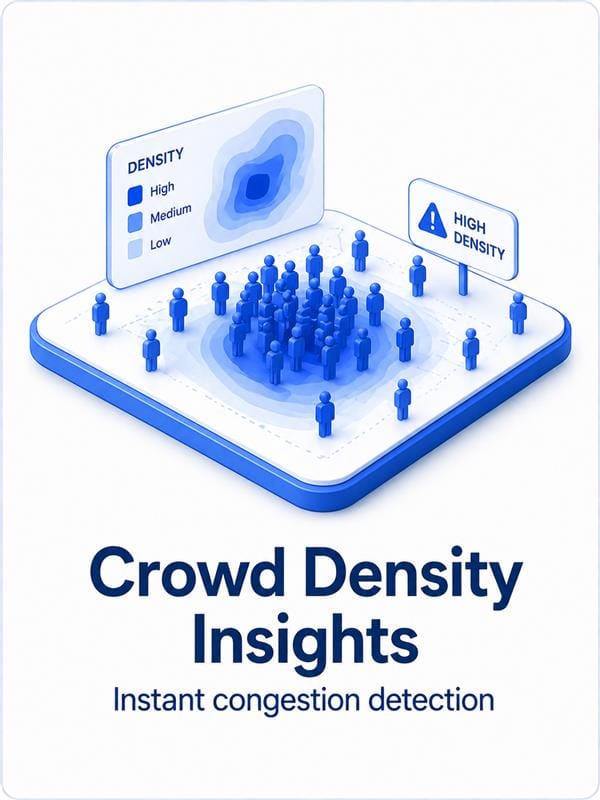
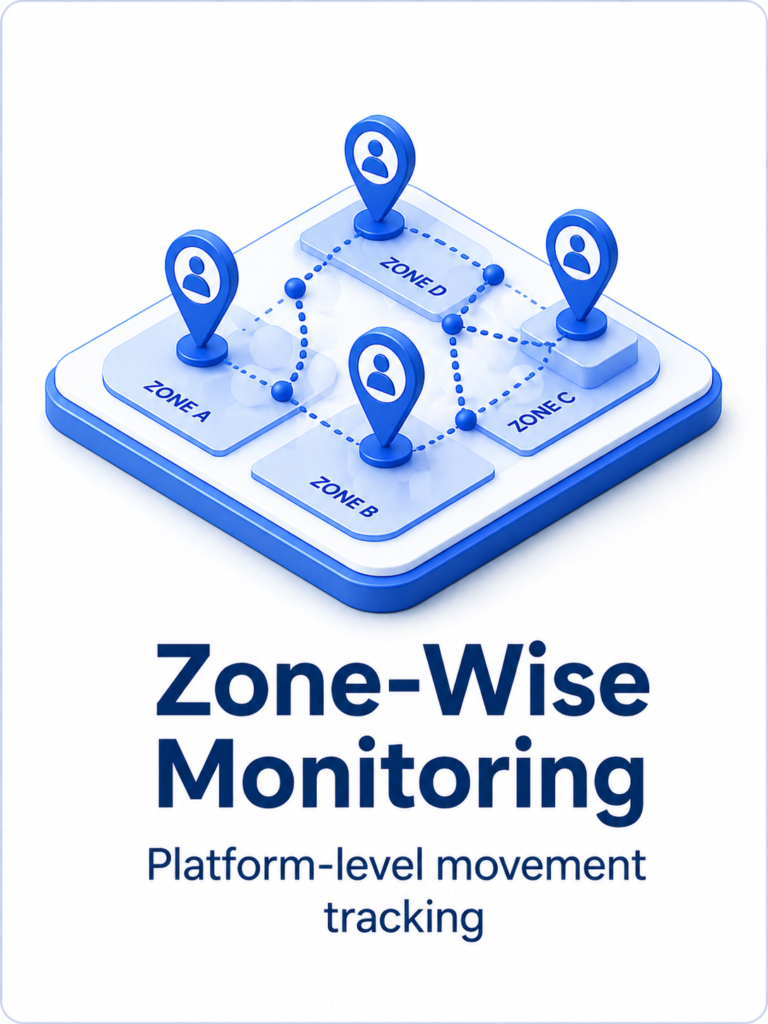
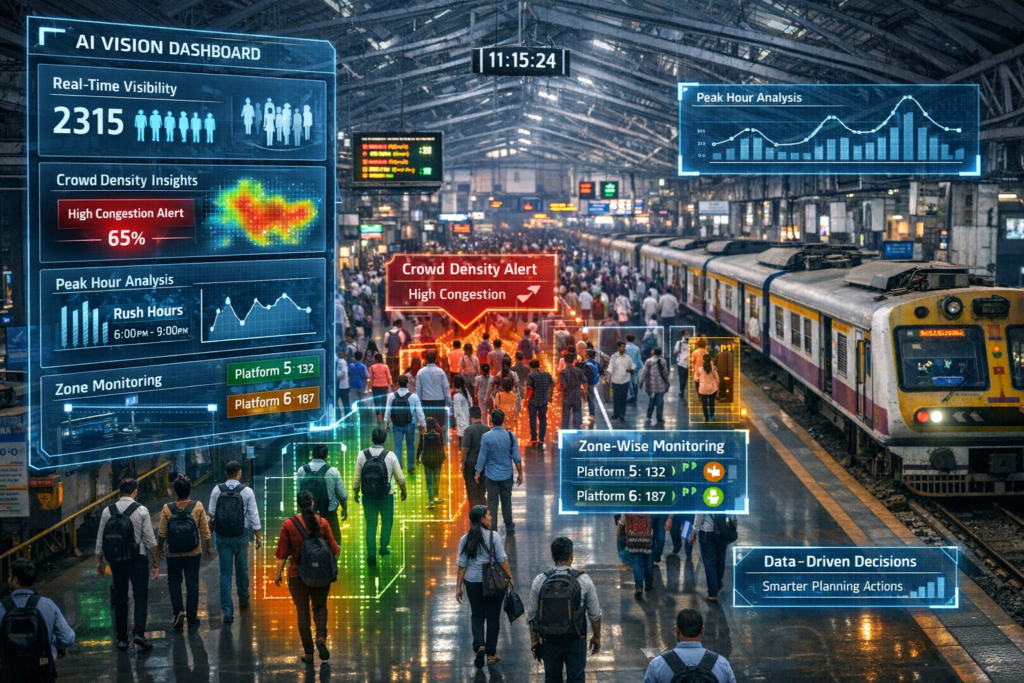
With Vision AI, authorities gained continuous visibility into passenger flow across platforms, entry and exit gates, escalators, and waiting areas. This enabled them to monitor crowd density in real time, identify congestion points instantly, and take proactive measures to manage high-traffic zones more effectively.
Enabling Data-Driven Planning and Operations
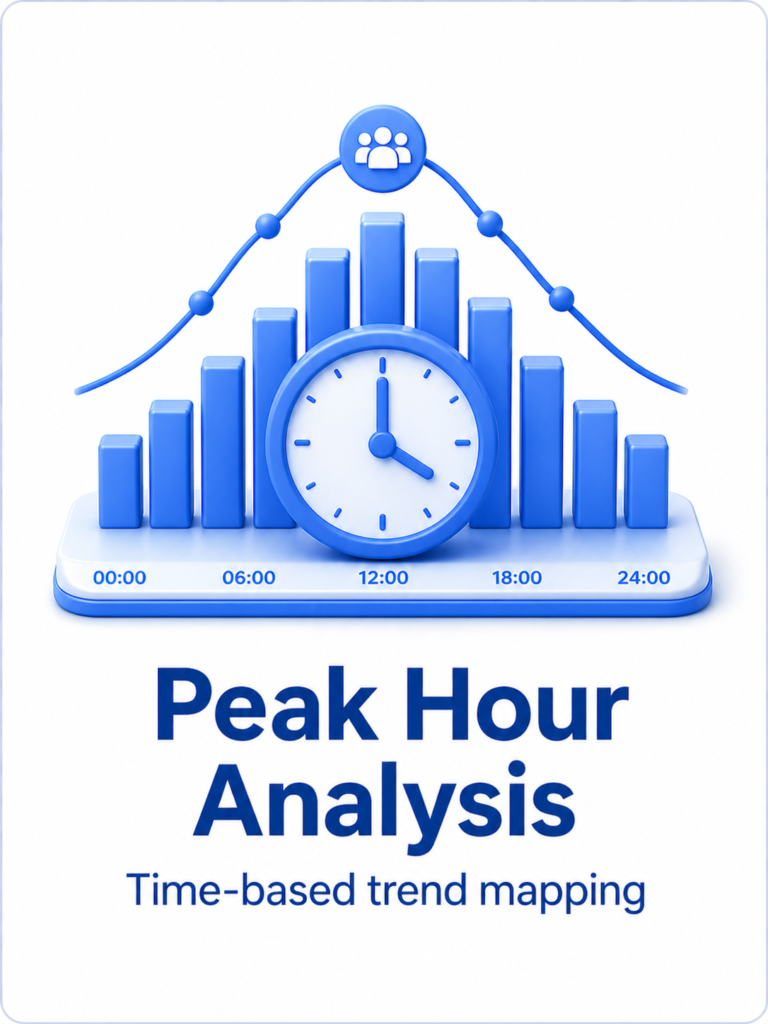
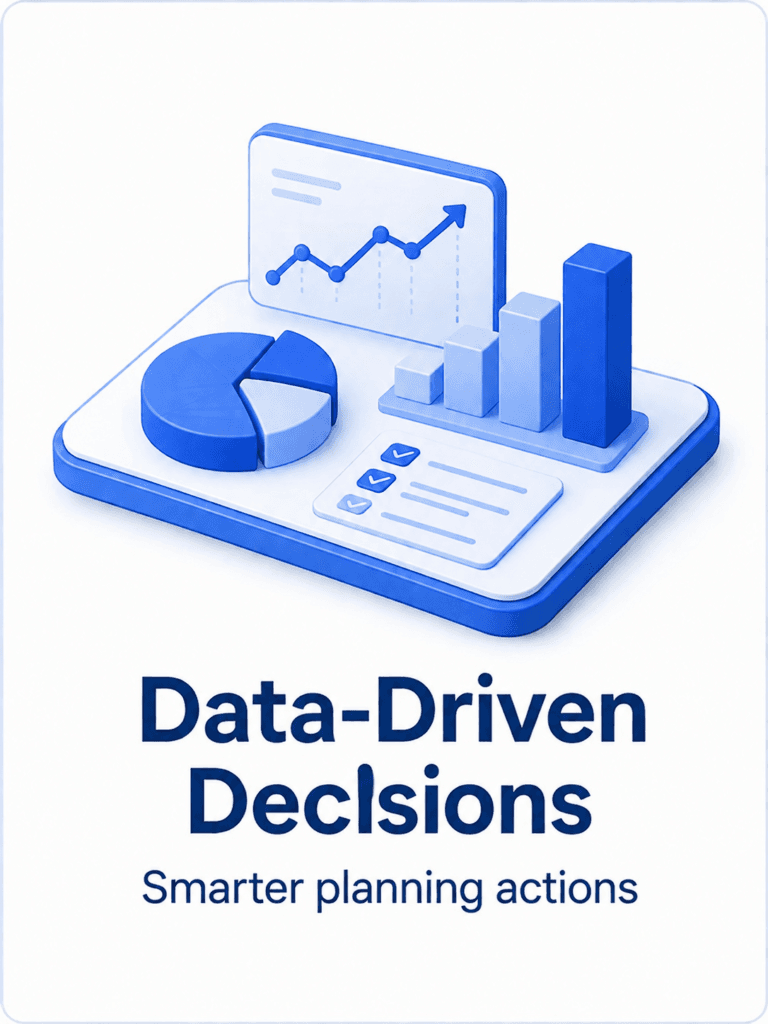
Beyond real-time monitoring, the solution unlocked deeper insights into passenger trends over time. By analyzing peak hours, movement patterns, and zone-wise traffic distribution, railway authorities were able to make more informed operational and infrastructure decisions.
This included optimizing staff deployment during rush hours, improving passenger routing, and planning infrastructure enhancements such as better placement of escalators, signage, and entry/exit points. The shift from assumption-based to data-driven planning significantly improved overall efficiency.
Enhancing Safety and Operational Efficiency
With improved visibility and insights, stations became safer and more responsive to changing conditions. Early identification of overcrowded areas allowed authorities to take preventive action before situations escalated.
At the same time, automation reduced dependency on manual processes, enabling faster reporting and more accurate analysis. The result was a more streamlined operation where both safety and efficiency were enhanced, ensuring a smoother commuting experience for passengers.
THE SOLUTION